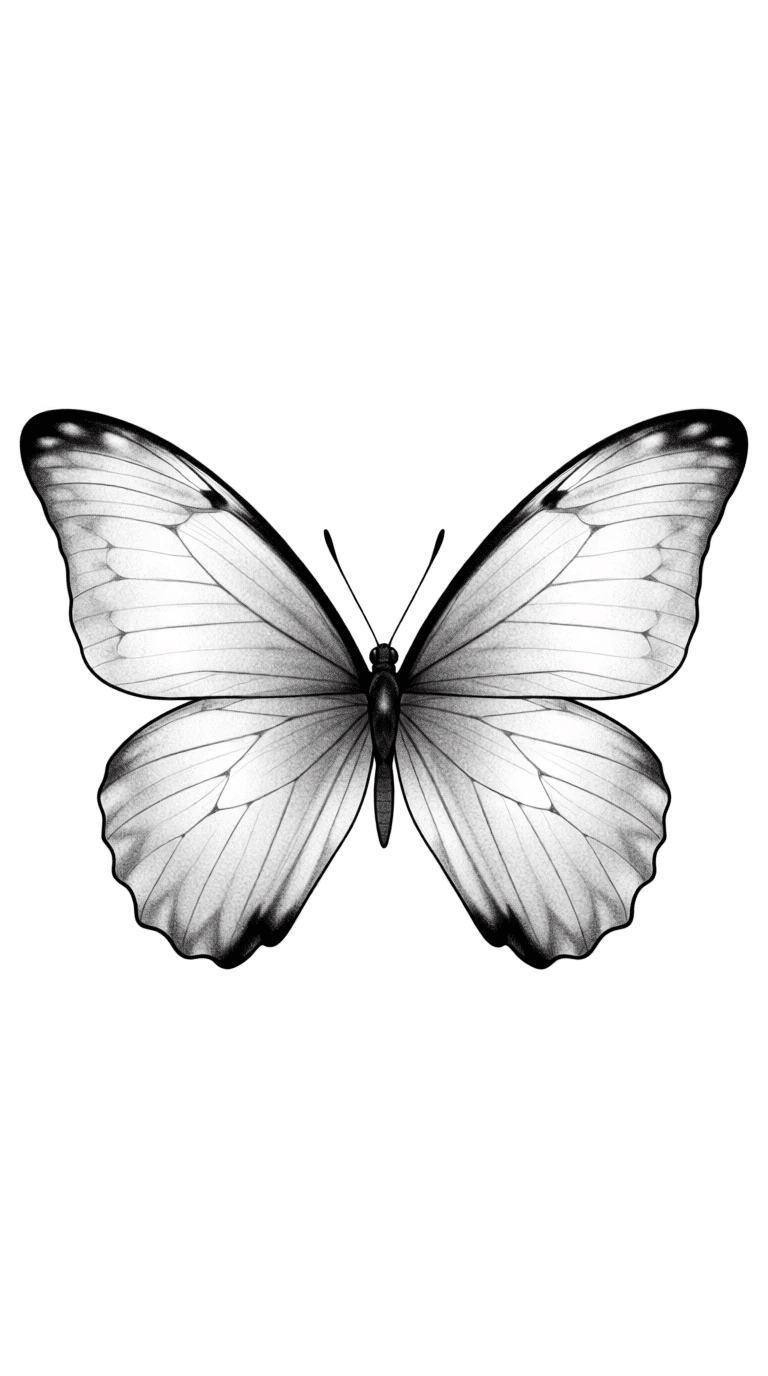
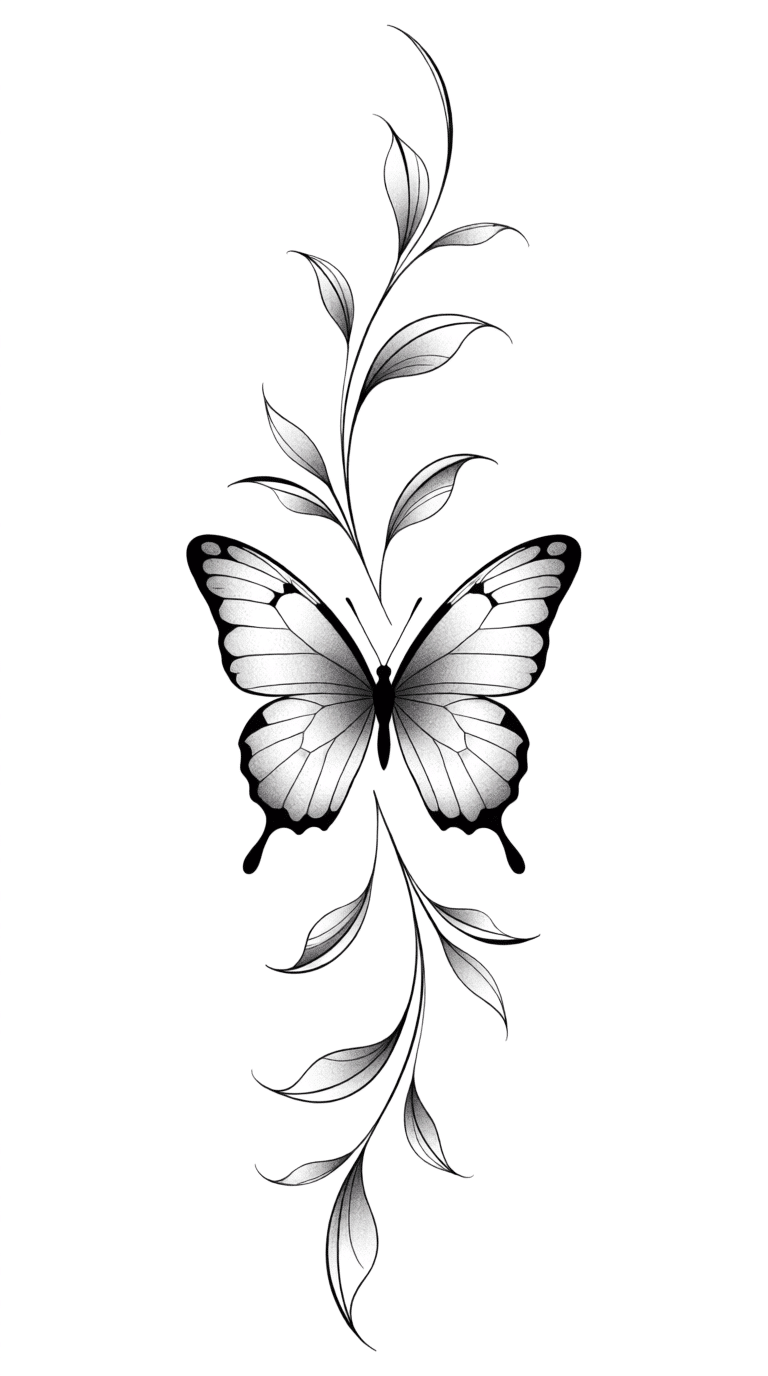
That question is where a butterfly vine tattoo begins. The vine gives a very popular symbol its own shape, its own movement, and a way to follow your body instead of floating on it. Here’s how to think through the meaning, style, placement, and practical details before you book.
Key Takeaways
- The vine gives a butterfly tattoo flow, so it can curve along a forearm, ribs, or spine.
- Fine line work looks delicate, but it needs a skilled artist and some long-term upkeep.
- Placement affects pain, how the vine bends, and how well the lines hold up over time.
- Cost and healing time vary widely, so ask your artist for a quote and a timeline.
- Bring references, not a locked-in design, and let the artist adapt it to your body.
What a Butterfly and Vine Say Together
Butterflies are most often linked with transformation, growth, and a fresh chapter. Add a vine and the story shifts a little: it suggests roots, persistence, and something that keeps growing through change.
Cultural meanings vary, and they’re worth knowing about. In ancient Greek, the word psyche meant both “soul” and “butterfly.” In Mexican Día de Muertos traditions, monarch butterflies are often associated with the return of loved ones’ spirits. If a tradition isn’t yours, it’s fine to be inspired by it, but take a moment to learn what the symbol carries before you make it permanent.
The simplest approach is the most personal one. What does your butterfly mean? A move, a recovery, a loss, a milestone? That answer will guide the flowers and leaves you choose.
Choosing a Style: Fine Line, Watercolor, Blackwork, Dotwork, and More
A butterfly vine tattoo works in almost any style, which is part of why it’s so popular. The style you pick changes the mood and how the tattoo ages.
Fine line and minimalist
Fine line floral tattoo designs are the go-to for a soft, elegant look. Think of fine lines as pencil sketches on skin: beautiful, but they need upkeep. Tattoo artists often see very thin lines soften over the years, especially in sun-exposed spots.
Watercolor
Washes of color make wings feel light and painterly. Watercolor tattoos with no defined outline can fade or blur faster, so many artists suggest adding a delicate linework backbone.
Blackwork and dotwork
Bold black shapes and stippled shading give you contrast and staying power. Blackwork is a solid choice if you want a design that stays readable for years. Dotwork adds texture to wings and petals without heavy outlines.
Realism and illustrative
Realistic wings with detailed veining look stunning, but they take longer and depend heavily on the artist’s skill. Look for someone whose portfolio shows this exact kind of work.
Where to Put It: Placements That Make a Vine Shine
A vine is basically a path, so placement matters more here than with a standalone butterfly. Ask where the line can travel.
- Forearm: A great canvas for forearm tattoo ideas. The vine can wrap or run along the arm, and you can see it easily. Sun exposure here means sunscreen is non-negotiable.
- Ribs: The vine can follow the curve of your side beautifully. It’s also one of the more painful spots for many people, and the skin moves as you breathe and stretch.
- Shoulder and upper arm: Plenty of flat, stable space, usually a more comfortable spot, and easy to cover or show.
- Ankle and foot: Lovely for a trailing vine, but these areas can be tricky to heal and tattoos there may fade or blur sooner. Many artists warn about this, so talk it through.
- Spine and back: Long, vertical vines suit this area perfectly. Expect some tender stretches over the bone.
When thinking about vine tattoo placement, picture the design in motion, not just standing still in a mirror.
Size and Detail: What Ages Well and What Blurs
Skin isn’t paper, and ink spreads slightly over time. Tiny leaves packed close together and ultra-thin veins in a wing are the first things to merge as years pass.
A good rule of thumb: give the details room to breathe. A slightly larger design with clear gaps between elements will usually stay crisper than a tiny, crowded one. Your artist can tell you what’s realistic at the size you want. If they suggest bumping it up or simplifying, that’s usually a sign they care about how it will look in ten years.
Pain, Session Time, and Realistic Costs
Pain is personal. Fleshy areas like the outer upper arm tend to be easier, while ribs, spine, and ankles are often reported as spicier. Fine line work can feel like scratching to some people and surprisingly sharp to others.
A small butterfly with a short vine might take one to two hours, while a longer or more detailed piece can need several hours or multiple sessions. As for money, prices vary a lot by artist, city, and complexity. Many shops have a minimum charge, and a small piece could land somewhere in the low hundreds in US dollars, while larger or highly detailed work can reach well beyond that. Treat these as rough ranges only and ask your artist for a quote.
(Yes, cheaper isn’t always better. A tattoo is a long-term purchase.)
Finding the Right Artist
Check the portfolio for your style
Look for healed photos, not just fresh ones. Clean, steady linework in a butterfly or floral piece is a good sign if you want fine line.
Look at hygiene and professionalism
A reputable studio is clean, uses single-use needles and gloves, and is happy to explain its process. If something feels off, trust that feeling and walk away.
Book a consultation
Bring a few reference images, your placement idea, and your budget. A good artist will listen, suggest changes, and tell you honestly if the design needs adjusting for your body.
Healing and Long-Term Care
Your artist will give you specific aftercare instructions, and those come first. In general, healing looks like this:
- First days: The tattoo is tender and may ooze a little. Keep it clean as instructed and follow your artist’s wrapping advice.
- Weeks one to two: Peeling and itching are common. Try not to pick or scratch; let it flake off naturally.
- Weeks two to four and beyond: The surface usually looks healed, though deeper layers of skin can take longer. Timelines vary by person and placement.
Long-term, sunscreen is your best friend, particularly for fine line and watercolor pieces. Touch-ups are normal, especially for delicate designs. If you notice signs of infection, such as spreading redness, heat, swelling, or unusual discharge, or if you suspect an allergic reaction, contact your tattoo artist or a doctor. People with skin conditions should check with a doctor before getting tattooed.
Design Ideas to Steal for Your Consultation
- Wisteria or honeysuckle: Trailing blooms that give the vine a soft, romantic movement.
- Fern fronds: A more woodland feel with graceful curves.
- Birth flowers: A personal detail hidden in the vine.
- Moth and butterfly pairing: A twist on the classic, with a quieter, nighttime mood.
- Single-line vine: A minimalist ribbon of a vine with one butterfly landing near the end.
- Wrap-around vine: A design that circles the wrist, ankle, or arm and reveals itself as you move.
Common Mistakes to Avoid
- Choosing a design that’s too small for the amount of detail.
- Picking an artist on price or Instagram filters alone, without checking healed work.
- Ignoring how the vine will wrap or sit on the body.
- Skipping sunscreen and then wondering why the lines faded.
- Rushing the decision. If you’re unsure, sleep on it.
Wrapping It Up
Remember that question: “What’s it sitting on?” A butterfly vine tattoo is the answer, and it can be as quiet or as lush as you like. Choose a style that ages well, a placement that suits the flow, and an artist who gets your vision.
Save this for your next consultation, and share your tattoo idea in the comments. We’d love to hear what your butterfly is landing on.
Frequently Asked Questions
Do fine line tattoos fade?
They can soften over time, especially in sun-exposed areas or places that rub or stretch. Good technique, sunscreen, and the occasional touch-up help.
How much does a butterfly vine tattoo cost?
It depends on size, detail, artist, and location. Ask for a quote at your consultation, since there’s no single price.
Does a butterfly vine tattoo hurt?
It varies by person and placement. Ribs, spine, and ankles are commonly described as more painful than the upper arm or outer thigh.
What’s the best placement for a vine tattoo?
The forearm, ribs, shoulder, and spine all work well because they offer long, flowing lines. The best spot depends on the look you want and your pain tolerance.
How long does a butterfly tattoo take to heal?
The surface often looks healed in a few weeks, but the full process can take longer. Follow your artist’s aftercare advice, since healing varies from person to person.
Publishing Notes (not part of the post)
Meta description (127 characters): Planning a butterfly vine tattoo? Explore meaning, styles, placement, pain, cost, and aftercare so you can book with confidence.
Suggested images and alt text:
- Hero: fine line butterfly with a trailing vine on a forearm. Alt: “Fine line butterfly vine tattoo winding along a forearm.”
- Style comparison: fine line, watercolor, and blackwork butterflies side by side. Alt: “Three butterfly vine tattoo styles compared: fine line, watercolor, and blackwork.”
- Placement: ribs and spine vine designs. Alt: “Botanical vine tattoo following the curve of the ribs.”
- Healed vs. fresh: the same tattoo at two stages. Alt: “Healed butterfly vine tattoo compared to a fresh one.”
- Consultation: an artist sketching a vine design on tracing paper. Alt: “Tattoo artist drawing a botanical vine design during a consultation.”
Assumptions used: no personal anecdotes (general “artists often see” voice), light cultural references, broad USD cost ranges with no guarantees, even weighting across topics. Ask me to change any of these.