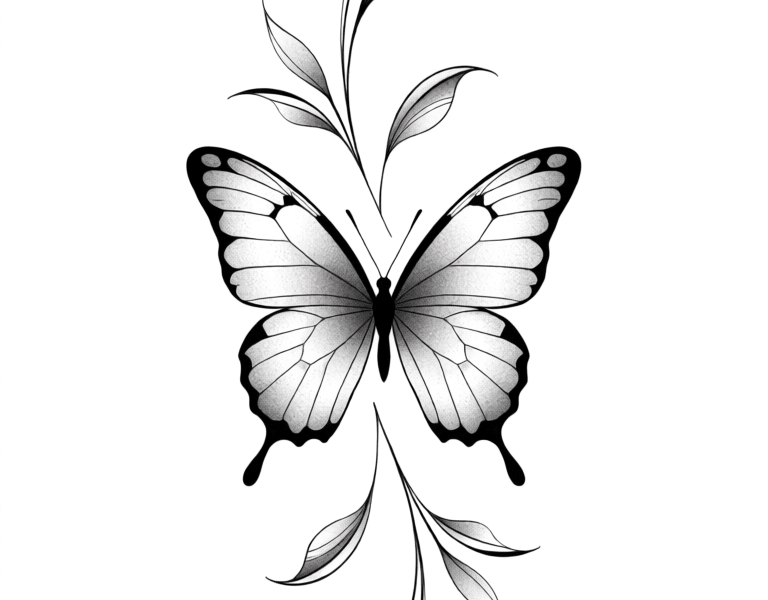
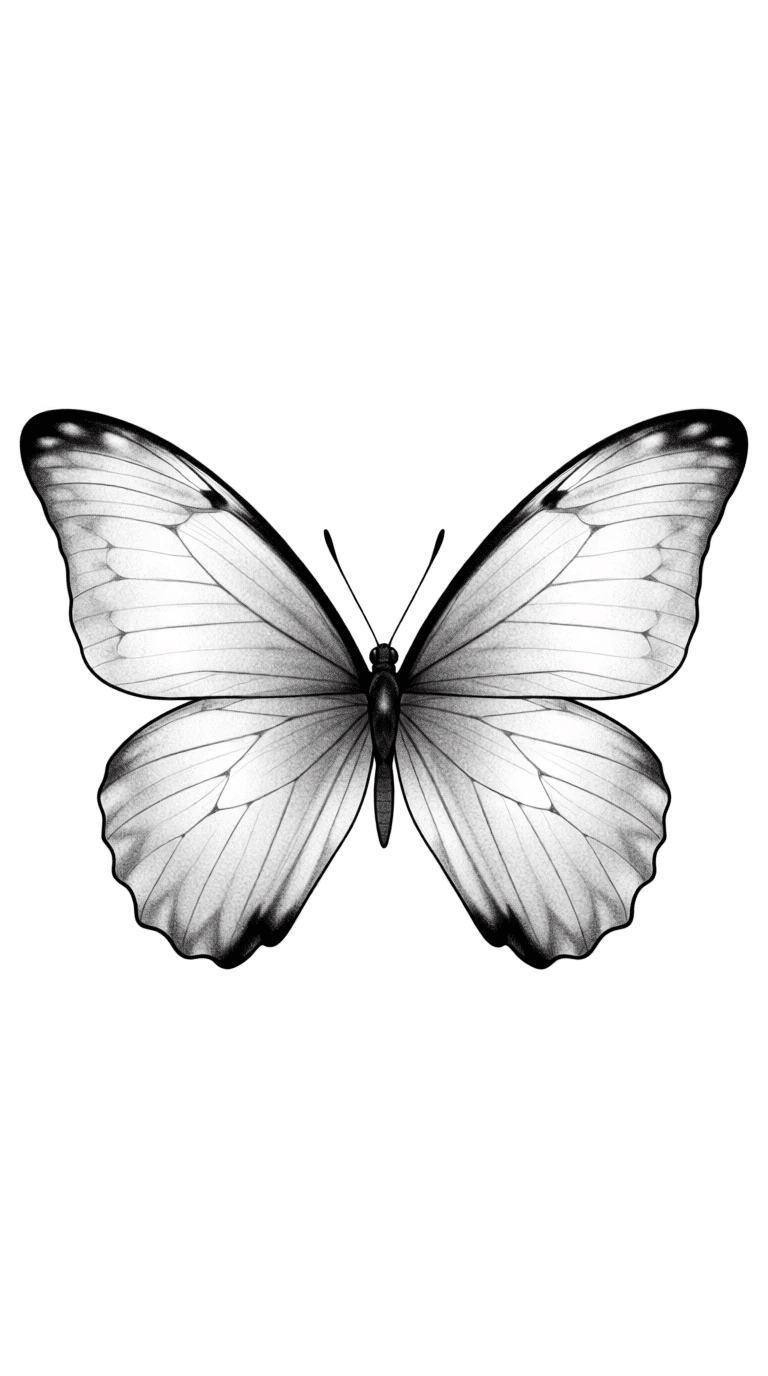
Topic: Realistic Butterfly Tattoo | Elegant Black & Gray Butterfly Design
Source material: No document was uploaded, and the template fields are unfilled. The Pinterest title is used as the topic.
Search intent
This is mostly inspiration (“what could this look like?”) with a strong practical-planning layer underneath. People searching “realistic butterfly tattoo” usually have a rough idea and want to know what’s achievable in black and gray, where it works best on the body, what it costs, and how to find an artist who can pull off realism. Meaning is secondary but still worth a section.
Recommended angle
Most realistic butterfly tattoos look stunning fresh and mediocre five years later, and the difference comes down to design and artist choices you make before the needle touches skin. The hook is that a realistic butterfly looks simple but is one of the harder subjects to tattoo well, because the symmetry is unforgiving and the wing detail is tiny.
Recommended audience and tone
- Audience: women 20-35 considering a realism piece, whether it’s a first tattoo or a first “serious” one.
- Tone: warm and conversational, with an artistic streak and practical advice underneath.
- Length: around 1,500 words, which suits the topic and Pinterest-driven traffic.
- Language: English.
Keywords
- Primary: realistic butterfly tattoo
- Secondary: black and gray butterfly tattoo, black and grey realism tattoo, butterfly tattoo placement, elegant butterfly tattoo ideas
- Opportunities: butterfly tattoo meaning, how much does a realistic tattoo cost, do realistic tattoos fade
Working outline
- H1: Realistic Butterfly Tattoo: A Guide to Elegant Black & Gray Designs
- Intro: the moment you realize a butterfly is harder to tattoo than it looks
- Key Takeaways box
- H2: What a Realistic Butterfly Tattoo Really Means (transformation and renewal, plus respectful cultural notes)
- H2: Why Black & Gray Works So Well for Realism (shading, contrast, and no color to fade)
- H2: Choosing Your Butterfly (swallowtail, monarch, morpho, moth vs. butterfly, open vs. closed wings)
- H2: Best Placements, and How They Change the Design (forearm, shoulder, ribs, ankle, back, behind the ear)
- H2: Size and Detail: What Ages Well (why tiny photo-real wings blur)
- H2: Pain, Session Time, and Realistic Cost Ranges
- H2: How to Choose a Realism Artist (portfolio, healed photos, consultation)
- H2: Healing and Long-Term Care (aftercare timeline, sunscreen, touch-ups)
- H2: Design Ideas and Combinations (butterfly with florals, a broken or fading wing, a butterfly on a hand-drawn “pinned” frame, linework accents)
- FAQ (4-5 questions)
- Conclusion, CTA, meta description, image ideas with alt text
Flags
- Cultural symbolism will stay general and respectful, such as the butterfly as a soul symbol in Greek tradition (psyche means both soul and butterfly) and its association with the dead in Mexican Monarch lore. Verify these before publishing.
- Prices and healing times will be ranges, never guarantees.
- No invented client stories or stats. A general “artists often see…” voice will be used unless you provide real material.
Clarifying question
Defaults assumed: women 20-35, warm and artistic tone, about 1,500 words, English. Please confirm or tell me what to change. It would also help to know your preferred currency for the cost section, and whether you have any real studio insights, artist tips, or client anecdotes to include (or “none” is fine).
Once you reply, I’ll write the full HTML post.